Ceylon v Cassia Cinnamon Key Differences, Benefits, and Uses
Overview
Cinnamon Beyond Flavor: A Natural Aid Against Modern Illness
Cinnamon isn’t just some random spice you toss into oatmeal or cookies—it’s got a bit of a reputation for helping with things like blood sugar, inflammation, and even heart health (here’s a deep dive). When you think about how common issues like diabetes and heart disease are, it’s kind of wild that something so simple might help.
But here’s the kicker: not all cinnamon is created equal. The two most common types come from different trees, and their chemistry (and effects on your body) are pretty different. So, picking the right one can actually make a difference for your health.
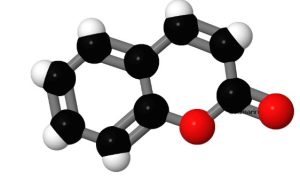
Coumarin often comes up in a discussion when evaluating cassia cinnamon
Ceylon and Cassia: Two Distinct Types of Cinnamon
People often lump all cinnamon together, but if you dig a little deeper, you’ll find two stars on the shelf: Cassia cinnamon (Cinnamomum cassia) and Ceylon cinnamon (Cinnamomum verum), which some folks call true cinnamon.
Cassia cinnamon:
Dark reddish-brown, thick, and almost woody sticks. They’re tough—you really have to work to break them.
Flavor packs a punch: spicy, bold, and a little bit hot.
It’s cheap and everywhere; most grocery store cinnamon is cassia.
Contains a lot of coumarin, which can be a problem if you eat too much.
Ceylon cinnamon:
Light tan, thin, and delicate sticks. They crumble easily, and if you look at a cross-section, they’re rolled up in many soft, flaky layers—almost like a cinnamon cigar!
Milder, sweeter, almost floral or citrusy flavor.
Mostly from Sri Lanka, and a bit harder to find.
Very low in coumarin, so it’s safer if you’re using cinnamon every day.
So, not only do they taste and look different, but they can even affect your health in the long run. It’s worth paying attention.
Coumarin Levels: A Key Safety Issue
Let’s talk coumarin for a second. It’s a natural compound, but cassia cinnamon can have up to 1% coumarin. If you’re sprinkling a lot of it on your food every day, that can put a strain on your liver, especially for kids or anyone with sensitivities.
Ceylon cinnamon, though? It’s got less than 0.004% coumarin. That’s almost nothing by comparison. If you’re a daily cinnamon-in-your-coffee kind of person, this is a big deal. You get the flavor and the benefits, without worrying about hidden risks.
Ceylon vs cassia cooking uses vary significantly
Taste Differences and Cooking Applications
Now, if you’ve ever tasted both, you know they’re not interchangeable. Cassia is bold, spicy, and stands up in strong-flavored dishes—think stews, curries, or those classic cinnamon rolls. It’s also the one you usually taste in American apple pie or snickerdoodles.
Ceylon, though, is gentle and sweet. It’s perfect for teas, delicate pastries, or desserts where you want cinnamon to play nice with other flavors. I find it doesn’t bulldoze everything else in the recipe—it just sort of lifts it up.
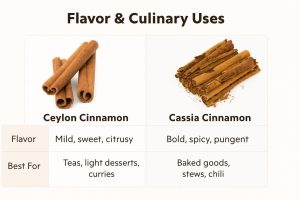
Here’s a quick side-by-side:
Feature
Cassia Cinnamon
Ceylon Cinnamon
Flavor
Strong, spicy, pungent
Mild, sweet, citrus-like
Texture
Thick, hard sticks
Thin, soft, crumbly sticks (look for those cigar-style layers inside!)
Best For
Bold dishes, baked goods
Teas, light desserts, curries
Safety for Daily Use
Limited due to coumarin levels
Safe for frequent consumption
Price Differences: Paying More for Safety and Quality
Here’s where it gets a little painful for the wallet. Cassia is cheap—usually $4–8 per pound. Ceylon, on the other hand, is more of a specialty item and can run $15–25 per pound, sometimes even more if it’s organic or fair trade.
Is it worth the extra cash? Honestly, if you use cinnamon all the time or care about the subtle flavor and safety, Ceylon is a smart splurge. It’s one of those “you get what you pay for” situations, especially if you’re feeding a family and want to avoid unnecessary additives or risks.
The cinnamon mafia makes their money from adulterated cinnamon
Cinnamon Fraud: Identifying and Avoiding Adulteration
Because Ceylon cinnamon costs more, some companies try to pass off cassia as the real deal—or worse, mix the two without telling you. It’s frustrating, and it means you’ve got to be a bit of a detective.
Here’s what I look for:
Certified organic labels (not a guarantee, but a good sign).
Third-party testing for coumarin content—some brands actually share this info.
Clear sourcing, ideally saying “Product of Sri Lanka.”
If a supplier is open about where and how they source their cinnamon, you’re probably in good hands.
Why Ceylon Offers Health Advantages
So, why bother with Ceylon? Well, research points to cinnamon’s ability to:
Stabilize blood sugar—super helpful if you’re managing diabetes or just want steady energy.
Calm inflammation. Chronic inflammation is sneaky, and anything that helps is a win in my book.
Support heart health by improving circulation and cholesterol.
Deliver antioxidants that help protect your cells.
Both types have these benefits, but Ceylon’s low coumarin makes it the safer choice for regular use. You can sprinkle it on your oatmeal, coffee, or fruit every day and not worry about your liver. If you’re making cinnamon a habit, Ceylon just makes sense.
Ceylon vs. Cassia Cinnamon — Why the Difference Matters
In a world flooded with counterfeit and mislabeled products, cinnamon is no exception. While Cassia cinnamon is bold, cheap, and widely available, it also contains high levels of coumarin, a compound linked to liver toxicity when consumed regularly. Many people unknowingly use cassia daily, thinking it’s the same as the healing spice praised for centuries. The truth is that many culinary experts don’t classify cassia “cinnamon” as cinnamon at all.
Ceylon cinnamon, often called “true cinnamon,” is lighter in flavor, safer for daily use, and historically revered for its health benefits—from blood sugar regulation to anti-inflammatory support. But with widespread adulteration and misleading labeling, how can families be sure they’re getting the real deal?
🎁 What We Found at Coconut Country Living: Real Cinnamon, Real Stewardship
We know the cinnamon world can feel confusing—even discouraging. That’s why Coconut Country Living goes the extra mile to source pure, organic Ceylon cinnamon directly from Sri Lanka. It’s printed on the bag, and we even offer the matching sticks so you can see the difference for yourself.
✅ 100% satisfaction guarantee
✅ USDA Certified Organic
✅ No fillers, no coumarin surprises
✅ Includes access to the cinnamon hacks for health and beauty guide —yours FREE
Whether you’re just starting your cinnamon journey or already committed to daily use, we want you to experience the full benefits of true cinnamon. Because when it comes to your health and your family, only the real thing will do.
After all, who doesn’t want results like this?
From GMJ:
I really loved this good-for-you organic Ceylon cinnamon—this was at least my third time ordering it. I use it daily in oatmeal, yogurt with berries, apples, and even mix it into my coffee grounds. After learning about its health benefits, I never touch regular cinnamon anymore.
From Miss Gina Marie:
Phenomenal medicinal cinnamon! I will never buy Ceylon cinnamon anywhere else. I’ve been ordering since 2016 and it’s always the same great product. The value, flavor, sealable bag, and quality are unmatched.
From HalinaLWatts:
This is the best Ceylon cinnamon out there. I’ve ordered several times and it’s always fresh. The texture is smooth, the taste is real cinnamon, and the health benefits far outweigh anything in the store. If you’re looking for something new, you can’t go wrong.
From KT:
This is the best cinnamon you can buy. Not all cinnamons are the same. Do yourself a flavor (pun intended) and purchase this for your health and palate.
From Karen V:
A great source for true cinnamon. I’ve been buying this for years and now it’s the only cinnamon I use. We use it for baking and brewing coffee. The taste is richer and more complex than grocery store cinnamon, and the foil packaging keeps it fresh. Highly recommended.
From Kimberly:
Best healthy cinnamon out there! It mixes well and isn’t clumpy. We order it every six weeks. I use it in coffee and make a morning slurry with raw organic honey. It’s also our go-to when we feel a cold coming on.
From Smilin Sam:
This product restored my faith in Ceylon cinnamon. I had previously bought a brand that smelled and tasted like dirt. This one is exactly what Ceylon cinnamon should smell and taste like—it enhances everything. I threw out the old product and replaced it with Coconut Country Living’s cinnamon.
Get your free Ceylon Cinnamon and Its Life Changing Benefits e-Book
👉 Are you done with the monkey business and ready to try the subtly sweet choice natural doctors and culinary connoisseurs have treasured for millennia?
How do the flavors of Ceylon and cassia cinnamon differ?
Ceylon cinnamon is light, sweet, and delicate—a great match for desserts and drinks. Cassia’s got a much stronger, spicier kick, which is why it shows up in a lot of baked goods and savory recipes.
How do the health effects of Ceylon cinnamon compare with cassia cinnamon?
If you’re using cinnamon daily, Ceylon is usually the safer bet since it’s so low in coumarin. Cassia still brings antioxidants and some benefits, but you’ll want to keep it in check and not go overboard.
Can cassia and Ceylon cinnamon be swapped in cooking?
You can swap them, but the flavor will definitely change. Ceylon brings a gentle sweetness, while cassia amps up the spice. If cinnamon’s a main flavor in your recipe, you’ll notice the difference for sure.
What should be considered for safety when eating cassia compared to Ceylon cinnamon?
Cassia cinnamon has a lot more coumarin, which can be rough on your liver if you eat too much. Ceylon has so little coumarin that it’s not really a concern for most people.
How does coumarin content vary between cassia and Ceylon cinnamon?
Cassia cinnamon: High coumarin levels
Ceylon cinnamon: Very low coumarin levels
This is a big reason why many health experts (and honestly, a lot of home cooks) lean toward Ceylon for everyday use. If you’re not sure which one you have, peek at the stick: cassia is thick and hollow, while Ceylon has those fragile, cigar-like layers inside. Pretty cool, right?
What visual and physical traits help tell Ceylon apart from cassia cinnamon?
Ceylon cinnamon: You’ll notice thin, soft layers that roll up into lots of delicate folds—almost like the layers inside a cigar. The color’s a gentle light brown, and honestly, it snaps with barely any effort.
Cassia cinnamon: Cassia’s another story. The bark is thick and hard, curling just once, and it’s got this deep reddish-brown shade. If you try to break it, good luck—it’s tough and stubborn.
If you put them side by side, especially in stick form, the difference jumps out at you. Ceylon just looks more elegant, almost inviting, while cassia comes off a bit more rugged. Give it a try next time you’re at the store—spotting the real thing isn’t as tricky as it seems!