Why You Should Avoid Conventional Spices
Hidden Dangers in Conventional Spices and How to Avoid Them
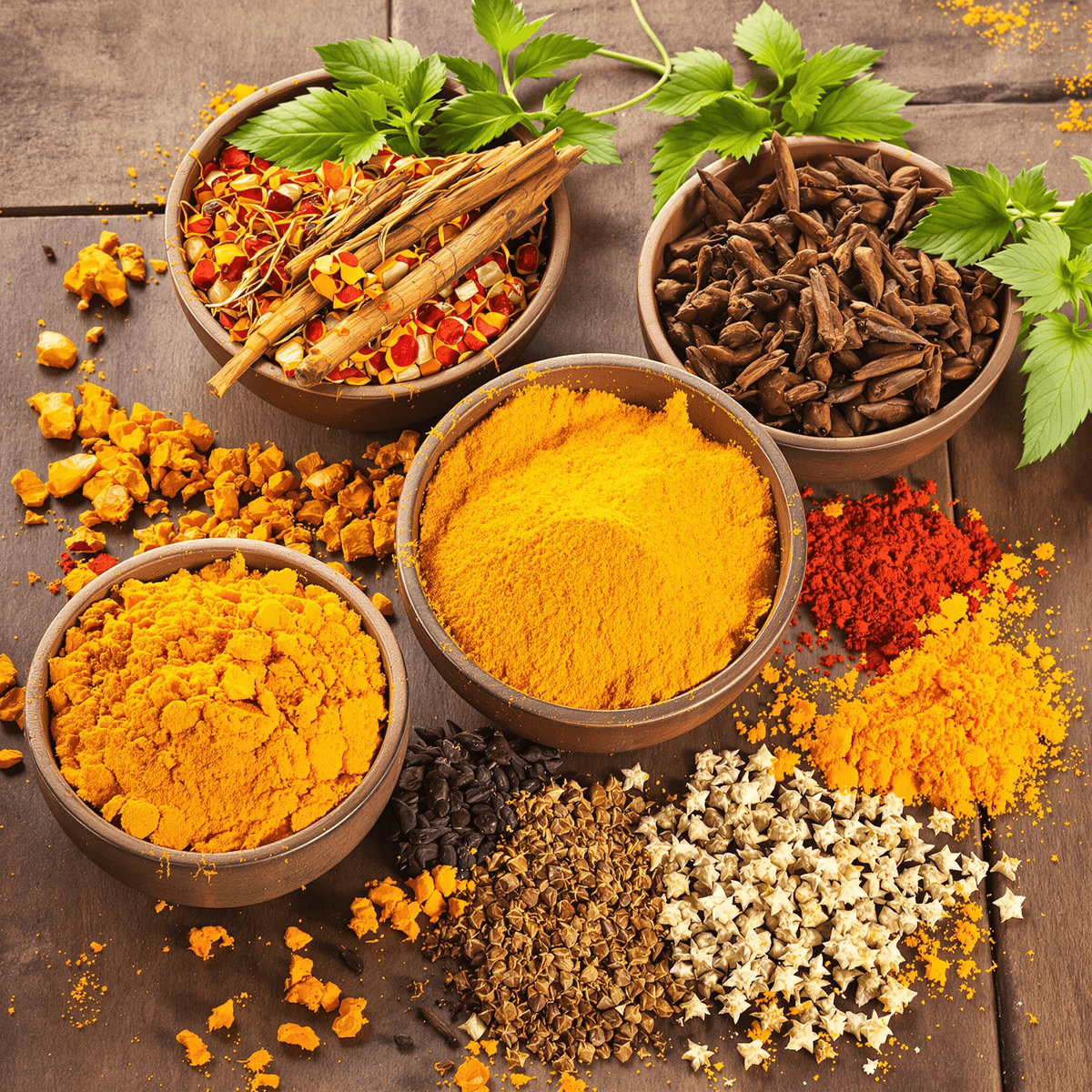
Spices can turn regular meals into amazing culinary experiences, adding warmth, flavor, and cultural richness to kitchens around the world. Whether it’s the fragrant turmeric in golden milk lattes, famous for its curcumin benefits, or the spicy kick of paprika in your favorite dishes, these powerful ingredients have become must-haves that connect us to traditions spanning centuries.
However, there’s a concerning truth that many home cooks don’t know about. Hidden dangers in spices can be found in the very products we rely on to feed our families. Recent scientific studies have revealed troubling levels of conventional spices risks, such as heavy metal contamination that can build up in our bodies over time.
The issue of spice contamination is much larger than it seems. Arsenic, lead, and cadmium—harmful heavy metals associated with serious health problems—have been found in about one-third of dried herbs and spices sold in regular markets. These pollutants make their way into our spice supply through various means:
- Contaminated soil and water sources
- Industrial pollution exposure
- Questionable processing methods
- Inadequate quality control measures
This article is your complete guide to understanding these Hidden Dangers in Conventional Spices and How to Avoid Them. You’ll find practical tips on how to keep your family safe while still enjoying the amazing flavors that make cooking such a pleasure.
Instead of depending only on conventional spices, think about trying out healthier options like clove, which has many health benefits, or adding ginger to your meals for its healing properties. The miracle tree known as Moringa has been used since ancient times, even in ancient Egypt, for its nutritional advantages.
Understanding Heavy Metal Contamination in Spices
Heavy metals in spices are toxic elements that naturally occur in the environment but become dangerous when concentrated beyond safe levels. The main offenders—arsenic, lead, and cadmium contamination—pose serious health risks because they accumulate in body tissues over time, disrupting cellular functions and organ systems.
These contaminants enter our beloved seasonings through various means:
- Contaminated soil and water where spice plants grow
- Agricultural pesticides containing heavy metal residues
- Industrial pollution from nearby manufacturing facilities
- Processing equipment and packaging materials during production
Recent testing reveals alarming spice safety concerns: approximately one-third of dried herbs and spices contain heavy metal levels that exceed safe consumption thresholds. Consumer Reports’ comprehensive analysis found particularly troubling patterns in certain varieties.
Thyme and oregano consistently rank among the worst offenders, with samples frequently showing elevated levels across multiple brands and sources. These Mediterranean herbs, beloved for their aromatic qualities, unfortunately demonstrate how even the most common kitchen staples can harbor invisible dangers.
The contamination isn’t limited to exotic imports—domestic products face similar challenges. Spice processing facilities often handle multiple products on shared equipment, creating cross-contamination risks that compound the problem beyond what occurs naturally in growing environments.
However, not all is lost. By being aware of these issues, we can take steps to mitigate them. For instance, exploring one-pan low-carb dinners that use fresh, organic ingredients can help reduce our exposure to these harmful substances. Additionally, incorporating easy DIY paleo snacks into our diet can also be a healthier alternative.
Moreover, understanding the benefits of certain natural ingredients like moringa for liver health could provide us with alternatives that not only taste good but also support our health. It’s also important to note that some spices are known for their skin benefits; for example, how to get radiant skin naturally using certain spices could be an interesting exploration.
Lastly, while indulging in low-carb desserts or other meals, being mindful of spice sourcing and quality can significantly enhance our overall well-being.
Health Risks Associated with Heavy Metal Exposure from Spices
Heavy metal toxicity symptoms develop gradually as these toxic elements accumulate in organs, bones, and tissues throughout the body. Unlike water-soluble vitamins that flush out naturally, arsenic, lead, and cadmium persist for years, creating a dangerous buildup that can trigger serious health complications.
Vulnerable Populations: Children at Greatest Risk
Children face the most severe consequences from heavy metal exposure due to their developing nervous systems and higher absorption rates. Research demonstrates that even low-level lead exposure can:
- Reduce IQ scores and academic performance
- Increase hyperactivity and attention disorders
- Impair memory and learning capabilities
- Cause behavioral problems and aggression
The developing brain absorbs lead at rates 4-5 times higher than adult brains, making contaminated spices particularly concerning for families who cook frequently with these ingredients.
Adult Health Complications
Health risks heavy metals pose to adults manifest across multiple body systems:
Neurological Effects:
- Memory loss and cognitive decline
- Peripheral neuropathy (nerve damage)
- Tremors and coordination problems
Cardiovascular System:
- Elevated blood pressure
- Increased stroke risk
- Heart rhythm abnormalities
Reproductive Health:
- Fertility issues in both men and women
- Pregnancy complications
- Developmental problems in offspring
Other Systems:
- Kidney dysfunction and damage
- Weakened immune response
- Bone density loss
- Increased cancer risk
The insidious nature of heavy metal accumulation means symptoms often appear years after initial exposure, making prevention through careful spice selection essential for long-term health protection.
While many spices are known for their culinary benefits, some like clove have also been recognized for their health benefits. However, it’s crucial to ensure these spices are free from heavy metal contamination.
On the other hand, certain spices such as cinnamon may have side effects when used in excess or combined with specific medications like Ozempic, as noted in this article.
Furthermore, incorporating nutrient-rich plants like moringa into our diets can help combat some of the health risks associated with heavy metal exposure due to their detoxifying properties.
Regulatory Landscape and Limitations in Spice Safety Oversight
The FDA spice regulations currently operate under a patchwork system that leaves significant gaps in consumer protection. While the Food and Drug Administration maintains broad authority over food safety, heavy metal limits spices face minimal federal oversight compared to other food categories. The agency primarily relies on general food safety guidelines rather than establishing specific contamination thresholds for most culinary spices.
A notable exception exists for infant rice cereal, where the FDA has implemented strict arsenic limits of 100 parts per billion. This targeted regulation highlights the agency’s capacity to set standards when deemed necessary, yet similar protections remain absent for the spices that millions of Americans consume daily.
Spice safety oversight varies dramatically across state lines, creating an inconsistent regulatory landscape. New York State has taken the lead by establishing specific heavy metal limits for certain spices, demonstrating how local authorities can fill federal gaps. Other states maintain different standards or defer entirely to federal guidelines.
Consumers navigate this regulatory maze without clear guidance on product safety. The absence of mandatory testing requirements means spice manufacturers operate under varying quality control standards. Labeling requirements don’t typically include heavy metal content information, leaving shoppers to make purchasing decisions without crucial safety data. This regulatory uncertainty makes identifying truly safe products challenging for health-conscious consumers seeking to understand the Hidden Dangers in Conventional Spices and How to Avoid Them.
In light of these challenges, consumers are increasingly turning towards healthier alternatives and recipes that utilize safer spices. For instance, exploring healthy recipes can provide insights into utilizing spices in a way that mitigates health risks. Furthermore, it’s crucial to be aware of specific spices like cloves, which may have unique safety considerations and benefits.
Identifying Safer Spice Options and Best Practices for Consumers
Research consistently shows certain safe spices low heavy metals perform better in contamination testing. Laboratory analyses reveal these spices typically contain minimal heavy metal residues:
- Black pepper – Shows consistently low levels across multiple studies. In fact, eating black pepper every day can yield numerous health benefits.
- Coriander – Demonstrates reliable safety profiles in testing
- Curry powder – Generally maintains lower contamination rates
- Garlic powder – Exhibits minimal heavy metal accumulation
Growing Your Own Herbs: The Ultimate Control Method
Choosing safer spices becomes effortless when you control the entire process from seed to seasoning. Home cultivation allows you to:
- Select organic seeds and soil amendments
- Monitor water quality and irrigation sources
- Control drying conditions to prevent contamination
- Harvest at optimal potency without chemical preservatives
Fresh herbs like basil, oregano, and thyme thrive in containers, making this approach accessible even for apartment dwellers.
International Import Considerations
Reducing spice contamination risk requires careful attention to sourcing. Spices imported from regions with less stringent agricultural regulations often carry higher contamination risks. Countries with limited industrial pollution controls or different pesticide standards may produce spices with elevated heavy metal content.
Domestic spice producers typically follow stricter quality protocols, though individual brand testing varies significantly. Reading labels for country of origin information helps consumers make informed decisions about their spice selections.
In addition to these strategies, incorporating certain spices into your diet can also provide health benefits. For instance, turmeric powder is known for its anti-inflammatory properties and can be easily integrated into meals. Similarly, exploring the best spices for digestion can enhance your overall wellbeing. Furthermore, some of these safe spices are also classified as superfoods, making them excellent choices for snacking too!
However, it’s crucial to remain vigilant about potential contaminants in our food supply. As highlighted in this comprehensive risk profile by the FDA, spices can sometimes harbor harmful pathogens and filth if not sourced properly. Therefore, understanding the sourcing and processing of these commodities is essential for maintaining a healthy diet.
Moreover, consumer awareness about the presence of harmful metals in spices is vital for ensuring food safety. This insightful article on harmful metals in your spices provides valuable information that every consumer should be aware of when purchasing spices.
Strategies to Reduce Heavy Metal Exposure from Spices and Diet
To reduce heavy metal exposure from your diet, it’s important to consider your overall nutrition rather than just individual spices. Heavy metals can come from various sources such as drinking water, seafood, rice, leafy greens, and even your collection of spices. This means that even small amounts of heavy metals from different sources can add up over time.
Practical Guidelines for Spice Safety
Instead of completely avoiding certain spices, a better approach is to consume them strategically. Here are some practical guidelines to follow:
- Rotate your spice selections weekly instead of using the same favorites daily
- Limit high-risk spices like turmeric and paprika to 2-3 times per week
- Balance heavy users with lighter seasoning days
- Choose quality over quantity when purchasing spices
Choosing Verified Products
When buying spices, it’s crucial to choose products that have been verified through testing. Look for companies that prioritize quality control and provide third-party testing results as well as clear sourcing information. One such example is Coconut Country Living, which is known for its meticulous sourcing practices and commitment to delivering pure, tested products.
“The spices arrived fresh and aromatic—you can really taste the difference in quality,” says one verified Amazon reviewer, emphasizing how premium sourcing leads to better cooking experiences.
A Holistic Dietary Strategy
Managing your spices wisely should be part of a larger dietary plan that takes into account all potential sources of heavy metal exposure. This may involve making adjustments to other aspects of your diet as well. For instance, incorporating coconut flour recipes could offer healthier alternatives compared to traditional wheat-based products known to cause certain health issues.
By adopting this comprehensive approach towards both spice consumption and overall dietary choices, you can effectively minimize heavy metal intake while still enjoying flavorful meals.
Using Quality Superfoods from Coconut Country Living as Safe Flavoring Alternatives
When looking for safe flavoring alternatives to traditional spices, Coconut Country Living stands out with their mission of healing the world through tasty superfoods. Their commitment to quality sourcing and transparent practices addresses many concerns surrounding heavy metal contamination in conventional spice products.
The benefits of Coconut Country Living products go beyond just adding flavor; they offer nutrient-packed options that customers consistently rave about. Amazon reviewers frequently highlight the exceptional quality and taste of their offerings, with one customer noting, “The flavor is incredible and I feel good knowing I’m using a clean product.” Another review emphasizes, “These spices have transformed my cooking while giving me peace of mind about what I’m feeding my family.”
Their carefully curated selection includes:
- Coconut-based products that provide natural sweetness and rich flavor profiles
- Premium moringa powder sourced with rigorous quality standards
- Meticulously selected spices that undergo careful vetting processes
The company’s dedication to customer satisfaction reflects in their product quality, with reviewers consistently mentioning the superior taste and purity compared to conventional alternatives. Their natural spice alternatives offer home cooks the opportunity to enhance their culinary creations while addressing concerns about Hidden Dangers in Conventional Spices and How to Avoid Them.
These products represent a thoughtful approach to flavoring foods, where taste and quality considerations align with consumer health awareness. For instance, their coconut oil is not only a safe alternative for cooking but also comes with numerous health benefits. On the other hand, the bulk organic moringa powder they offer is a testament to their commitment towards providing high-quality superfoods.
In addition to these offerings, it’s interesting to note that certain unconventional ingredients like dark chocolate can also serve as safe flavoring alternatives. However, it’s essential to understand that not all dark chocolates are dairy-free. For more insights on this topic, you can refer to this article on whether dark chocolate has dairy. But remember, individual results may vary and these statements have not been evaluated by the FDA.
Conclusion & Key Takeaways
Understanding the Hidden Dangers in Conventional Spices and How to Avoid Them reveals a complex landscape where our beloved flavor enhancers can harbor unexpected risks. With this knowledge, you now have the ability to make informed decisions that protect your family’s health while still enjoying the pleasure of cooking.
Essential spice safety summary strategies include:
- Research your sources – Choose suppliers who prioritize transparency and testing
- Diversify your spice cabinet – Rotate between different brands and varieties to minimize concentrated exposure
- Consider home cultivation – Growing herbs like basil, oregano, and thyme gives you complete control over quality
- Read labels carefully – Look for organic certifications and country of origin information
- Store properly – Keep spices in airtight containers away from heat and moisture
When you understand that prevention begins with purchasing decisions, avoiding contaminated spices tips becomes second nature. Research consistently shows that certain spices have higher contamination risks, making your awareness the first line of defense.
Healthy cooking practices go beyond just choosing ingredients. Consider the cumulative effect of all sources of heavy metals in your diet, including water and processed foods. By combining moderation with high-quality sourcing, you can create a sustainable approach to delicious and safe cooking.
But we here at Coconut Country Living believe you can have both taste and safety. By carefully sourcing spices, coconut-based products, and moringa powder we believe we are part of a growing movement toward transparency in the superfood industry. Customer reviews consistently highlight not only flavor quality but also peace of mind – exactly what conscious consumers seek.
Your kitchen is a place for nourishing meals and creative culinary experiences. By implementing these protective strategies while exploring high-quality alternatives, you can turn potential concerns into confident choices. Each meal becomes an opportunity to support both your health and companies dedicated to raising industry standards.
FDA Disclaimer
FDA Disclaimer: Products in this article are not meant to diagnose, prevent, treat, or cure any disease. None of these statements unless otherwise stated have been analyzed by the Food and Drug Administration.
Related Posts