
🌿 Moringa vs. Matcha: Which Green Powder Reigns Supreme?
Moringa vs Matcha: Comparing Two Powerful Green Superfoods for Health Benefits
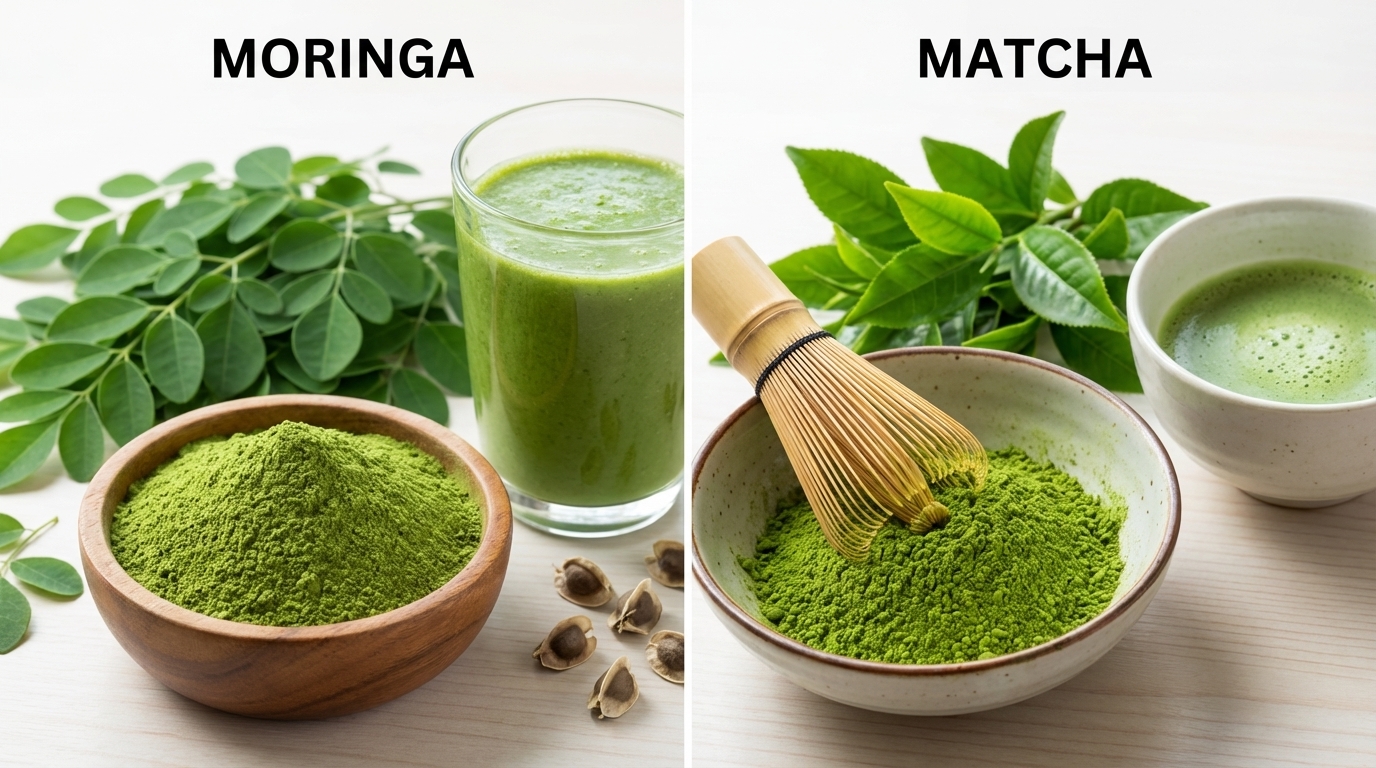
Moringa vs Matcha: The Ultimate Green Superfood Showdown
When you compare these two green powders side by side, their distinct profiles become clear. Matcha brings concentrated antioxidants and natural caffeine for mental focus. Moringa delivers a broader vitamin and mineral profile without stimulants.
Key Differences at a Glance:
| Aspect | Matcha | Moringa |
|---|---|---|
| Energy Type | Caffeine-based focus | Gentle nutritional energy |
| Flavor Profile | Grassy, slightly sweet | Earthy, mildly spicy |
| Best Time | Morning or pre-workout | Any time of day |
| Main Benefits | Antioxidants, mental clarity | Vitamins, minerals, inflammation support |
Your choice depends on your daily needs. If you want sustained focus and don’t mind caffeine, matcha works well for morning routines. You get calm energy that lasts hours without crashes.
Moringa suits you better if you prefer caffeine-free nutrition. You can use it any time without affecting sleep. It provides more diverse nutrients including vitamin A, iron, and potassium.
Both powders mix easily into smoothies, lattes, and baked goods. You might even use both – matcha for focused work sessions and moringa for afternoon nutrition without the stimulation.
Matcha’s Story And Strengths
Origins & Traditions
Matcha began its journey in China during the Tang dynasty before Buddhist monks carried it to Japan in the 1100s. Japanese tea masters transformed this green powder into something much deeper than a simple drink.
The Japanese tea ceremony evolved around matcha, creating a spiritual practice focused on mindfulness and respect. This ritual turned drinking tea into an art form that people still practice today.
Matcha production differs completely from regular tea. Farmers cover their tea plants with shade cloths for several weeks before picking the leaves. This darkness boosts chlorophyll and amino acid levels in the plants.
Workers steam the harvested leaves, dry them, and grind them with stone mills. This grinding process can take many hours to create the fine powder. Only the best leaves earn the title of ceremonial grade matcha.
Key Nutrients & Benefits
Your body gets a massive antioxidant boost when you drink matcha. The powder contains EGCG, a powerful compound that protects your cells from damage.
Matcha’s main nutrients include:
- EGCG antioxidants
- L-theanine amino acid
- Natural caffeine (about 70mg per serving)
- Vitamin C
- Dietary fiber
| Component | Benefit |
|---|---|
| EGCG | Fights cell damage |
| L-theanine | Creates calm focus |
| Caffeine | Provides steady energy |
| Chlorophyll | Supports detox |
One serving of matcha gives you the same antioxidants as ten cups of regular green tea. This happens because you consume the entire leaf instead of just steeping it.
L-theanine makes matcha unique among caffeinated drinks. This amino acid works with caffeine to give you alert calmness without jitters or crashes.
Current Popularity
Matcha fits well with today’s health-focused lifestyle. You get mental sharpness and sustained energy that lasts for hours without the sudden drop that coffee often brings.
The caffeine and L-theanine combination supports your focus during work, study, or creative projects. Many people report better concentration and productivity after drinking matcha.
Research suggests matcha may help boost your metabolism and support healthy weight management. The EGCG content might help your body process fat more effectively.
Popular ways to use matcha:
- Traditional whisked tea
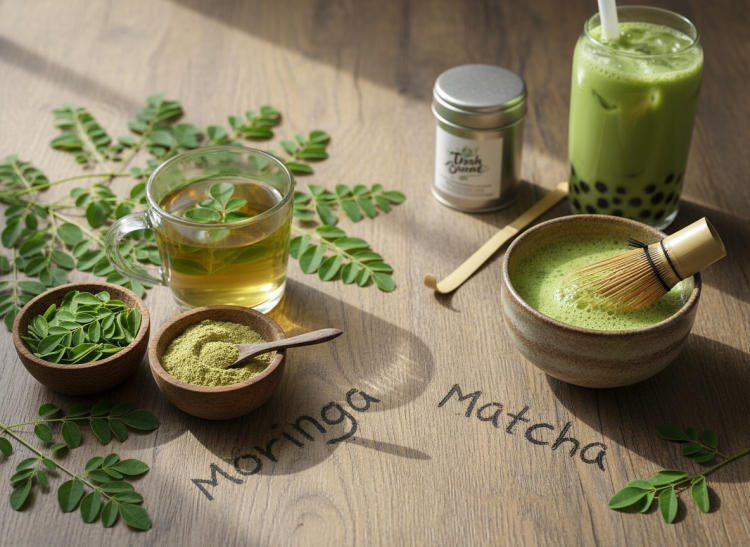
- Creamy lattes and bubble tea
- Smoothies and protein shakes
- Baked goods and desserts
- Energy bars and treats
Social media has spread matcha’s bright green appeal worldwide. You can now find matcha products in coffee shops, restaurants, and grocery stores everywhere.
Potential Drawbacks
Matcha contains caffeine, which means you need to watch your intake if you’re sensitive to stimulants. Pregnant women should limit their consumption or avoid it completely.
Quality varies greatly between different matcha products. Cheap versions often taste bitter and contain fewer beneficial compounds. High-quality matcha costs significantly more than regular tea bags.
The natural flavor takes time to appreciate. Pure matcha has an earthy, slightly bitter taste that many people find challenging at first. You might need to add sweeteners or milk initially.
The intense green color can stain your teeth with regular use. Rinsing your mouth after drinking matcha helps prevent this problem.
Some people experience stomach irritation when they drink matcha without food. The caffeine content can cause nausea or discomfort on an empty stomach.
The Story Behind Moringa and Its Benefits
Origins And Traditional Use
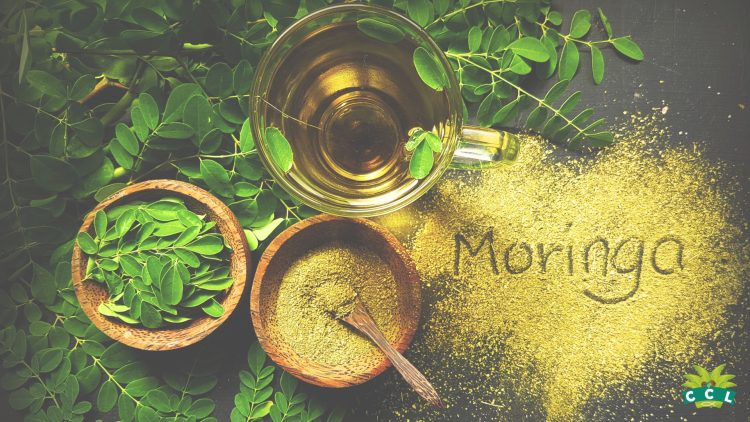
The moringa tree started its journey in northwestern India thousands of years ago. Ancient cultures recognized its value early on, using every part of the tree for health and nutrition purposes.
People called it the “miracle tree” because of its wide range of uses. Traditional healers turned to moringa leaves, seeds, and bark to address different health concerns in their communities.
Ancient Egyptians prized moringa oil so highly that they placed it in burial chambers with pharaohs. The Romans and Greeks discovered these benefits too, creating trade routes across the Mediterranean to share this valuable resource.
Today you can find moringa growing across Asia, Africa, and Latin America. Families in these areas continue using moringa as both a food source and natural remedy. They cook the fresh leaves like spinach or dry them into powder form.
Key Nutrients And Health Benefits
Moringa delivers complete protein with all nine amino acids your body needs but cannot produce. This makes it valuable for muscle health and overall body function.
Major vitamins found in moringa:
| Vitamin | Primary Benefits |
|---|---|
| Vitamin A | Eye health and immune support |
| Vitamin C | Immune boost and iron absorption |
| Vitamin E | Cell protection through antioxidants |
The powder contains essential minerals including iron, calcium, and potassium. One serving provides a large portion of your daily vitamin requirements.
Research shows moringa has anti-inflammatory effects that may help reduce body inflammation. Some studies indicate it might support healthy blood sugar and cholesterol levels.
Why People Choose Moringa Today
Your modern lifestyle benefits from moringa’s convenience and flexibility. Since it contains no caffeine, you can use it at any hour without sleep concerns.
The mild, earthy flavor blends easily with other ingredients. You avoid the shaky feeling that sometimes comes with caffeinated products.
Moringa fits many dietary preferences and restrictions. It works well for vegetarians, vegans, and anyone avoiding caffeine in their routine.
The powder form offers simple storage and use. You need no special tools or complex preparation steps like other herbal supplements might require.
Multiple Ways To Use Moringa
You can incorporate moringa into various foods and beverages throughout your day. Begin with half a teaspoon and adjust the amount based on your taste preferences.
Simple moringa applications:
- Mix into warm water or caffeine-free tea
- Add to fruit and vegetable smoothies
- Sprinkle over breakfast bowls or yogurt
- Combine with salad dressings and sauces
- Stir into soups during final cooking minutes
The spinach-like, earthy taste works best in savory preparations rather than sweet treats. Moringa complements tropical fruits like mango and pineapple when making smoothies.
You can consume moringa in the evening without affecting your sleep patterns. This flexibility gives you more options compared to caffeinated alternatives.
Side-by-Side Analysis
Nutritional Breakdown
| Nutrient | Moringa (10g) | Matcha (10g) |
|---|---|---|
| Protein | 3g | 1g |
| Calcium | 150mg | 5mg |
| Iron | 2.5mg | 0.2mg |
| Vitamin A | 150% daily value | 0% daily value |
| Vitamin C | 50mg | 2mg |
| Fiber | 2g | 0g |
| Caffeine | 0mg | 70mg |
| Antioxidants | High | Very High |
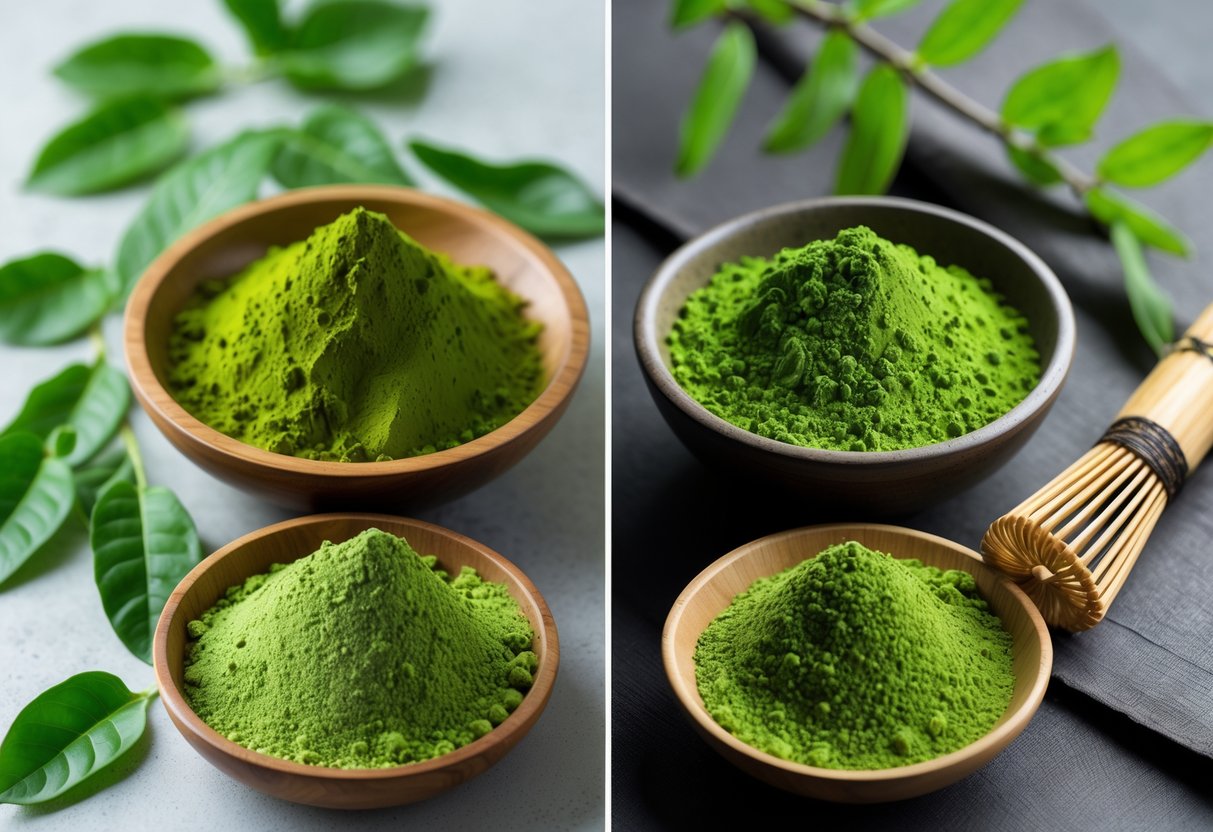
Moringa delivers superior vitamin and mineral content compared to matcha. You receive significantly more calcium for bone health and iron for blood oxygen transport. The vitamin A content in moringa supports eye health and immune function.
Matcha excels in antioxidant levels but lacks basic nutrients. Your body gets minimal vitamins and minerals from matcha alone. The protein content in moringa is triple what matcha provides, making it better for muscle support.
Power Source Differences
Matcha provides immediate energy through 70mg of caffeine per serving. This amount equals roughly half a cup of coffee. The caffeine combines with L-theanine to create sustained focus without sudden crashes.
Your energy from matcha feels smooth and controlled. The jittery feeling common with coffee rarely occurs with matcha consumption.
Moringa contains zero caffeine and relies on natural nutrients for energy support. B vitamins and iron work together to improve oxygen circulation and cellular energy production.
The energy boost from moringa develops gradually over time. Your body builds sustained energy through improved nutrient absorption rather than stimulant effects.
Caffeine tolerance matters when choosing between these options. Daily coffee drinkers might experience too much stimulation by adding matcha.
Kitchen Applications
Both powders blend easily into recipes but offer distinct flavor profiles.
Matcha flavor characteristics:
- Rich, earthy taste
- Slight natural sweetness
- Works in lattes and desserts
- Perfect for traditional tea preparation
Moringa flavor characteristics:
- Bitter, grassy notes
- Milder overall intensity
- Better in smoothies and soups
- Needs flavor masking in drinks
Matcha integrates beautifully into baked goods like cookies, cakes, and ice cream. Coffee shops commonly feature matcha lattes as coffee alternatives.
Moringa performs better when mixed with strong-flavored ingredients. You can sprinkle it over meals or blend it into vegetable-heavy smoothies.
Preparation methods vary between the two powders. Matcha requires specific whisking techniques for traditional preparation, while moringa simply mixes into any liquid or food.
Market Availability
You can purchase both powders through health food stores and online retailers. Matcha appears more frequently in standard grocery stores.
Matcha comes in quality grades:
- Ceremonial grade: Premium taste, higher cost
- Culinary grade: Cooking-friendly, budget option
Moringa typically sells as standard powder with consistent quality across brands. Some companies offer capsule forms to avoid taste concerns.
Cost differences impact daily use. Moringa ranges from $15-25 per pound, while quality matcha costs $30-60 per pound. This price gap makes moringa more budget-friendly for regular consumption.
Both powders maintain freshness for approximately two years when stored correctly. Cool, dry storage away from direct sunlight preserves their potency.
Many suppliers now carry both products, allowing you to order them together. This approach reduces shipping costs and lets you compare them directly.
Regional availability varies depending on your location. Urban areas typically offer more brand options than rural markets.
Daily Usage Scenarios
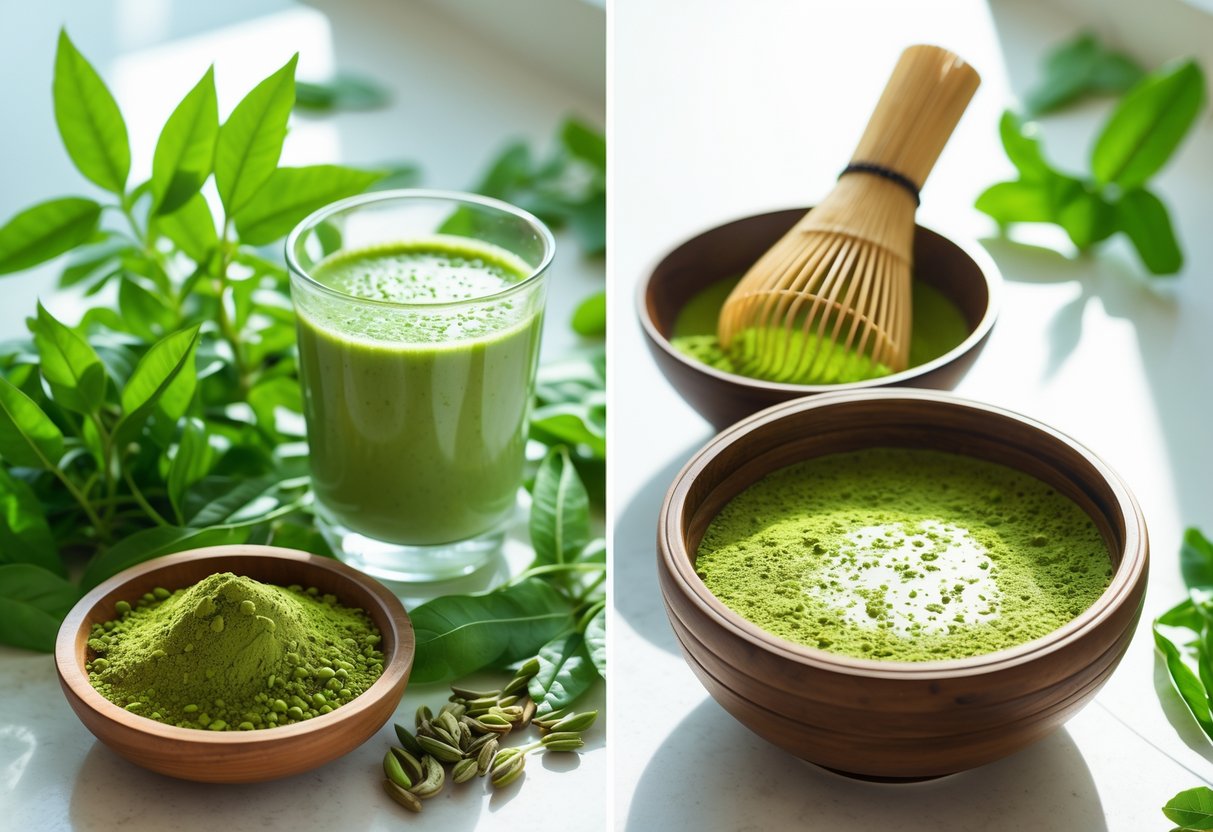
Energy-Focused Applications
Matcha delivers its best results when you time it with your energy needs. Morning consumption provides 3-4 hours of steady focus without typical caffeine crashes.
Optimal timing for matcha:
- Dawn rituals – Blend 1 teaspoon into steamed milk for sustained alertness
- Exercise preparation – Mix with cold water 30 minutes before training
- Midday renewal – Substitute for coffee around 2 PM to avoid afternoon slumps
You can prepare matcha using traditional bamboo whisks or modern frothers. The bold, grassy flavor pairs well with natural sweeteners like maple syrup or coconut sugar.
Your caffeine sensitivity determines matcha success. Some users experience restlessness or evening sleep disruption when consumed too late in the day.
Nutrition-Boosting Applications
Moringa integrates seamlessly into your existing meals without overpowering flavors. Its subtle taste allows versatile use across different food categories.
Flexible moringa integration:
- Blended beverages – Add 1-2 teaspoons to fruit combinations
- Cooked dishes – Incorporate into warm broths or grain bowls
- Homemade treats – Blend into pancakes or protein balls
You benefit from moringa’s caffeine-free profile, making it suitable for evening consumption. Parents frequently select moringa because children tolerate its mild taste better than stronger supplements.
The fine powder dissolves easily in both heated and chilled preparations. You can sprinkle moringa directly onto finished dishes or blend it during cooking.
User Experiences
People report varied results with both powders depending on their lifestyle preferences and flavor tolerance.
| Product | Positive Feedback | Common Challenges |
|---|---|---|
| Matcha | “Perfect morning ritual that keeps me focused until lunch” | “Bitter taste requires adjustment period” |
| Moringa | “Kids don’t detect it in their breakfast smoothies” | “Effects feel more subtle than expected” |
Active lifestyle users often prefer matcha for targeted energy boosts during workouts or demanding work periods. Family-oriented consumers gravitate toward moringa because multiple household members can consume it safely throughout the day.
Your personal schedule and taste preferences ultimately determine which powder fits your routine better. Busy professionals frequently choose matcha for cognitive enhancement, while health-conscious families incorporate moringa for comprehensive nutritional support.
User Experiences and Feedback
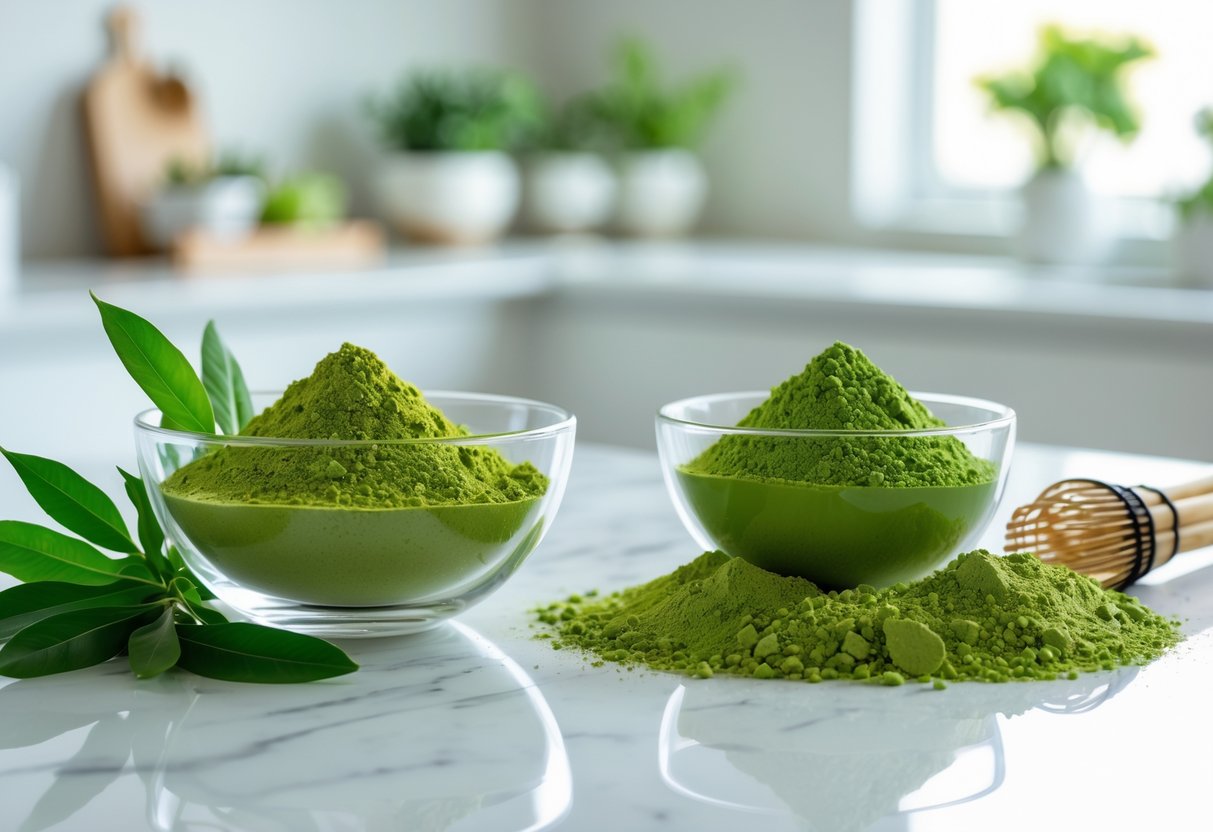
Personal Stories
You’ll find that moringa users frequently report experiencing a smooth energy lift without the shaky feeling that comes with coffee. Many add moringa powder to their breakfast drinks and notice they maintain steady energy levels all day long.
Families often choose moringa because it blends easily into children’s meals without creating taste battles. The mild flavor makes it simple to sneak into pasta sauces or soups. People dealing with low iron levels mention feeling less tired after making moringa part of their daily routine.
Matcha enthusiasts usually highlight the sharp mental focus they gain from its unique caffeine and amino acid combination. College students and professionals share stories about improved concentration during demanding tasks or lengthy meetings.
You’ll hear matcha drinkers describe their experience as “alert but calm” – different from the coffee rush. Traditional tea lovers value the mindful preparation process that comes with whisking authentic matcha powder.
Key Differences in User Choices
The main split among users centers on caffeine needs. You’ll choose moringa if you want to skip caffeine entirely, but reach for matcha when you need natural stimulation.
Flavor preferences create strong opinions. Matcha lovers embrace the grassy, mildly sweet taste in drinks and baked goods. Moringa users either incorporate it into spicy foods or blend it into fruit smoothies to cover the peppery bite.
Cost-aware shoppers notice that moringa powder typically runs cheaper than premium matcha grades. Time-pressed individuals favor moringa since you can stir it into nearly anything without major flavor changes.
Active people make different choices based on when they exercise. You might pick matcha for morning workouts but choose moringa for evening sessions to avoid sleep disruption.
The Final Decision: Which Green Powder Reigns Supreme?

Neither moringa nor matcha takes the crown as the ultimate winner. Each green powder serves different needs and lifestyles.
Matcha works best when you:
- Need natural caffeine without jitters
- Want calm focus from L-theanine
- Enjoy sweet, grassy flavors
- Practice mindful tea rituals
Moringa fits better if you:
- Avoid caffeine completely
- Need more protein and minerals
- Want nutrients without time limits
- Prefer earthy, mild tastes
| Feature | Matcha | Moringa |
|---|---|---|
| Caffeine | 70mg per serving | None |
| Protein | 3g per serving | 9g per serving |
| Best time | Morning/afternoon | Any time |
| Flavor | Sweet, vegetal | Mild, earthy |
Your daily habits should guide your choice. Coffee drinkers often love matcha’s gentler energy boost. People who avoid stimulants find moringa’s caffeine-free nutrition perfect.
You don’t need to pick just one option. Many people blend equal parts of both powders. This combination gives you moderate caffeine plus extra vitamins and minerals.
The winning superfood is simply the one you’ll drink consistently. Test both options to discover which taste and energy level matches your preferences.
Take Action on Your Green Superfood Choice
The time to boost your health with green superfoods is now. Both moringa and matcha offer real benefits for your body and mind.
If you want energy and focus, matcha fits your needs. The natural caffeine helps you stay alert. It also supports your metabolism throughout the day.
If you prefer caffeine-free nutrition, moringa works better. You get vitamins and minerals without the energy crash. It works well any time of day.
Start with small amounts when you first try either powder. Use half a teaspoon during your first week. This gives your body time to adjust to the new nutrients.
You can buy both powders at health food stores or online shops. Choose organic versions when you can find them. Better quality means better taste and more nutrients.
Simple ways to use these powders:
| Matcha Options | Moringa Options |
|---|---|
| Mix in warm milk | Stir into smoothies |
| Add to morning smoothies | Sprinkle on yogurt |
| Make traditional tea | Mix in fresh juice |
You don’t have to pick just one option. Many people drink matcha in the morning for energy and use moringa at night for nutrition.
Check with your doctor before adding new supplements to your routine. This step becomes more important if you take medicines or have health issues.
Your health goals determine which powder serves you best.
Common Questions About These Green Powders
How Do Moringa and Matcha Compare for Your Health?
Both powders offer different types of health support for your body. Moringa delivers more essential nutrients like vitamin A, vitamin C, calcium, and complete proteins. You won’t get any caffeine, making it safe to drink anytime.
Matcha provides powerful antioxidants called catechins, particularly EGCG. The natural caffeine works with L-theanine to give you calm, focused energy without crashes.
Here’s how they compare for specific health goals:
| Health Benefit | Moringa | Matcha |
|---|---|---|
| Blood sugar control | ✓ Strong support | Moderate support |
| Heart health | Moderate support | ✓ Strong support |
| Metabolism boost | Limited effect | ✓ Strong effect |
| Inflammation fighting | ✓ Effective | ✓ Effective |
Which Powder Works Better for Losing Weight?
Neither powder acts as a weight loss miracle on its own. Your diet and exercise habits matter most for lasting results.
Matcha may give you a slight advantage because of its caffeine and EGCG content. These compounds help speed up your metabolism throughout the day. You burn more calories even when resting.
Moringa supports weight goals differently. The fiber and protein help you feel satisfied after meals. This can reduce snacking and overeating naturally.
For best results with either powder:
- Use them alongside healthy eating
- Stay active with regular exercise
- Don’t rely on supplements alone
What Do These Powders Taste Like?
The flavors are quite different from each other. Moringa tastes earthy and mildly bitter, similar to leafy greens like spinach. The flavor stays subtle and blends easily into smoothies or juices.
Matcha has a rich, grassy flavor with natural sweetness. The taste is more complex than regular green tea. Some people find it strong at first but grow to love the unique flavor.
If you prefer milder tastes, start with moringa. Choose matcha if you enjoy bold, distinctive flavors in your drinks and recipes.
Can You Combine Both Powders Together?
Yes, mixing moringa and matcha works perfectly fine. Many people enjoy combining them to get benefits from both powders at once.
Start with these simple mixing ratios:
- ½ teaspoon moringa + ½ teaspoon matcha
- Add to smoothies, lattes, or yogurt
- Adjust amounts based on your taste preferences
The flavors complement each other well. You get sustained nutrition from moringa plus focused energy from matcha. Begin with smaller amounts until you find your ideal blend.
What Nutrients Do You Get from Each Powder?
The nutritional profiles show clear differences between these superfoods.
Moringa provides:
- Higher levels of vitamin C, vitamin A, and calcium
- Complete protein with all essential amino acids
- More fiber and iron per serving
- Significant potassium and magnesium
- Zero caffeine content
Matcha contains:
- Concentrated EGCG antioxidants
- Natural caffeine (about 70mg per teaspoon)
- L-theanine amino acid
- Moderate vitamin levels
- Lower overall mineral content
Choose moringa when you need more vitamins and minerals. Pick matcha for antioxidant power and natural energy support.
How Does Moringa Tea Stack Up Against Regular Green Tea?
These teas serve different purposes in your daily routine. Moringa tea contains no caffeine, making it perfect for evening drinking or if you’re sensitive to stimulants. You can enjoy it throughout the day without sleep concerns.
Regular green tea offers moderate caffeine with catechin antioxidants. It provides gentle energy but less nutritional variety than moringa.
Key differences include:
- Moringa may better support blood sugar balance
- Green tea typically helps more with metabolism
- Moringa delivers superior vitamin and mineral content
- Green tea provides traditional antioxidant benefits
Your choice depends on whether you want nutrients without caffeine or prefer gentle energy with antioxidants.
Nutrition Table
| Nutrient | Moringa (10g) | Matcha (10g) |
|---|---|---|
| Protein | 3g | 1g |
| Calcium | 150mg | 5mg |
| Iron | 2.5mg | 0.2mg |
| Vitamin A | 150% daily value | 0% daily value |
| Vitamin C | 50mg | 2mg |
| Fiber | 2g | 0g |
| Caffeine | 0mg | 70mg |
| Antioxidants | High | Very High |
Moringa wins for vitamins and minerals. You get much more calcium, iron, and vitamin A from moringa than matcha.
Matcha has more antioxidants but fewer basic nutrients. The caffeine in matcha can boost your energy, but moringa gives you zero caffeine.
If you need more protein in your diet, moringa provides three times more than matcha. For fiber to help digestion, only moringa offers this benefit.
Energy Profile
Matcha gives you quick energy from 70mg of caffeine per serving. This is about half the caffeine in a cup of coffee.
The caffeine in matcha works with L-theanine to create calm focus. You won’t get jittery like with coffee, and the energy lasts longer.
Moringa has no caffeine at all. Your energy comes from B vitamins and iron instead of stimulants.
Many people feel more alert after drinking moringa, but this happens slowly over time. The iron helps carry oxygen in your blood better.
If you drink coffee already, matcha might be too much caffeine. If you avoid caffeine completely, moringa is your only choice between these two.
Culinary Use
Both powders mix well into drinks and food, but they taste very different.
Matcha has a rich, earthy flavor with slight sweetness. It works great in lattes, smoothies, and baked goods like cookies or ice cream.
You can make traditional matcha tea by whisking the powder with hot water. Many coffee shops now offer matcha lattes as an alternative to coffee drinks.
Moringa tastes more bitter and grassy. The flavor is milder than matcha but still noticeable in drinks.
You can add moringa to smoothies, soups, or sprinkle it over food. It blends better in recipes with strong flavors that mask its taste.
Matcha costs more than moringa in most stores. High-quality matcha can be expensive, while moringa stays affordable.
Accessibility
You can find both powders in health food stores and online. Matcha is easier to find in regular grocery stores.
Matcha comes in different grades. Ceremonial grade costs the most but tastes the best. Culinary grade works fine for cooking and costs less.
Moringa usually comes as one type of powder. Some brands offer capsules if you don’t like the taste.
Price matters for daily use. Moringa typically costs $15-25 per pound, while good matcha costs $30-60 per pound.
Both powders last about two years when stored properly. Keep them in cool, dry places away from sunlight.
Many brands now sell both products, so you can often buy them from the same company. This makes shipping cheaper if you want to try both.
Real-Life Use Cases
People use matcha and moringa in different ways based on their daily routines and health goals. Matcha works best for morning energy boosts, while moringa fits easily into meals throughout the day.
Matcha Moments
You’ll find matcha most useful during your morning routine or before workouts. The caffeine gives you focused energy that lasts 3-4 hours without the jitters.
Popular matcha uses:
- Morning lattes – Mix 1 teaspoon with hot milk for sustained energy
- Pre-workout drinks – Blend with water 30 minutes before exercise
- Afternoon pick-me-ups – Replace coffee around 2 PM for clean energy
Many people drink matcha lattes at coffee shops or make them at home with a bamboo whisk. The strong, earthy taste works well with vanilla or honey.
You might struggle with matcha if you’re sensitive to caffeine. Some users report feeling anxious or getting energy crashes later in the day.
Moringa Moments
You can add moringa to almost any meal without changing the taste much. Its mild flavor makes it perfect for families with kids or people who don’t like strong tastes.
Common moringa uses:
- Smoothies – Add 1-2 teaspoons to fruit blends
- Soups and stews – Stir into warm dishes for extra nutrients
- Baked goods – Mix into muffins or energy bars
Parents often choose moringa because it has no caffeine and provides vitamins like calcium and iron. You can take it any time of day without worrying about sleep problems.
The powder blends easily into both hot and cold foods. Many users sprinkle it on salads or mix it into yogurt.
Testimonials
Real users share mixed experiences with both superfoods based on their personal needs and taste preferences.
Matcha feedback:
- “I love my morning matcha latte, but the taste took weeks to get used to”
- “Great energy boost, but I can’t drink it after 2 PM or I can’t sleep”
Moringa feedback:
- “My whole family uses moringa in smoothies – even my picky kids don’t notice it”
- “I add it to everything now. No weird taste and I feel more energetic naturally”
Many families prefer moringa because everyone can use it safely. Fitness enthusiasts often stick with matcha for pre-workout energy, while health-conscious parents choose moringa for daily nutrition.
What People Are Saying
Real users share different experiences with moringa and matcha based on their individual needs and preferences. Many people notice distinct effects from each superfood, with some preferring one over the other for specific reasons.
Anecdotes
People who use moringa often talk about getting a gentle energy boost without caffeine jitters. Many users say they feel more balanced throughout the day when they add moringa powder to their morning smoothies.
Parents frequently mention mixing moringa into their kids’ foods because it doesn’t have the strong taste that matcha does. Some people with iron deficiency say they feel more energetic after using moringa regularly.
Matcha users typically focus on the mental clarity they get from the combination of caffeine and L-theanine. Students and office workers often share that matcha helps them stay focused during long study sessions or work meetings.
Many people describe matcha as giving them “calm energy” compared to coffee. Tea ceremony enthusiasts appreciate the ritual aspect of preparing traditional matcha.
Contrast
The biggest divide between users comes down to caffeine preferences. People who want to avoid caffeine choose moringa, while those seeking natural energy pick matcha.
Taste plays a major role in user choices. Matcha fans enjoy the earthy, slightly sweet flavor in lattes and desserts. Moringa users either mix it into savory dishes or mask the sharp, horseradish-like taste in smoothies.
Budget-conscious consumers often point out that moringa powder costs less than high-quality matcha. Busy people prefer moringa because you can add it to almost any food without changing the taste much.
Fitness enthusiasts split between the two based on their workout timing. Morning exercisers lean toward matcha for the caffeine boost, while evening workout people choose caffeine-free moringa.
The Verdict: Who Wins?
The truth is, there’s no clear winner between moringa and matcha. Both green superfoods bring unique benefits to your health routine.
Choose matcha if you:
- Want natural caffeine for energy
- Need calm focus from L-theanine
- Love the traditional tea ceremony experience
- Prefer a sweeter, floral taste
Choose moringa if you:
- Want caffeine-free energy support
- Need more protein and minerals in your diet
- Prefer a complete nutrient profile
- Want something you can drink any time of day
| Feature | Matcha | Moringa |
|---|---|---|
| Caffeine | Yes | No |
| Protein | Lower | Higher |
| Minerals | Moderate | High |
| Antioxidants | EGCG rich | Variety |
| Taste | Sweet, grassy | Earthy, spicy |
Your lifestyle matters most in this choice. If you drink coffee daily, matcha offers a gentler caffeine switch. If you avoid caffeine or drink beverages at night, moringa works better.
You can even use both! Many people mix half matcha and half moringa for a balanced drink. This gives you some caffeine with extra nutrients.
The best superfood is the one you’ll actually use every day. Try both and see which one fits your taste and energy needs. Your body will tell you which green powder makes you feel your best.
Grab Your Greens
Ready to add a green superfood to your daily routine? The choice between moringa and matcha depends on your goals.
Pick matcha if you want:
- Natural energy boost with caffeine
- Better focus and concentration
- Metabolism support
- Morning drink replacement
Choose moringa if you need:
- Caffeine-free nutrition
- All-day vitamin support
- Blood sugar balance
- Evening wellness drink
Start small with either powder. Use half a teaspoon the first week. This helps your body adjust to the new nutrients.
You can find both powders at health stores or online. Look for organic options when possible. Quality matters for taste and nutrients.
Easy ways to try them:
| Matcha | Moringa |
|---|---|
| Mix in warm milk | Stir into smoothies |
| Add to smoothies | Sprinkle on yogurt |
| Make traditional tea | Mix in juice |
Don’t feel like you must choose just one. Many people use matcha in the morning and moringa at night. This gives you energy plus nutrition all day.
Talk to your doctor before starting any new supplement. This is extra important if you take medications or have health conditions.
Your wellness journey is unique to you. Pick the green powder that fits your lifestyle and health goals best.
And if you’re low on moringa, no worries. The truth is adding the world’s most amazing superfood to your diet is easier than saying “Miracle Tree”. Just head over to coconutcountryliving.com or Amazon.com/coconutcountryliving.
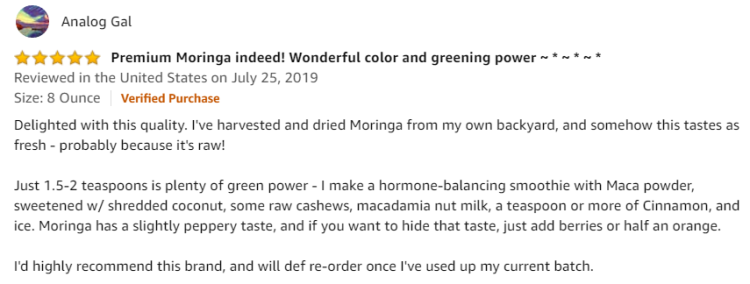
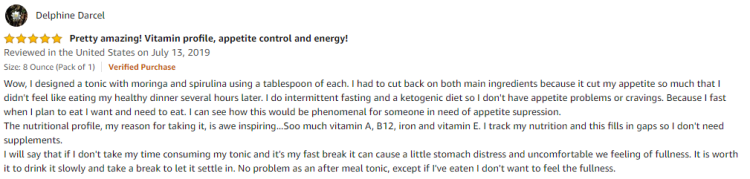
There you’ll find CCL’s Organic Moringa Powder, where customers have seen results like this…


 –
–

So don’t miss this chance to add Nature’s most amazing multivitamin, which its aficionados claim has cured 300 diseases for millenia. Match your matcha with some crganic moringa leaf powder from CCL. Let’ us know how it goes, and we’ll see you in Coconut Country!
Related Posts