
How to Detox Microplastics: The Complete Guide
The Best Way To Detox Microplastics For Improved Health And Wellness
Want to know the first time I thought about detoxing from microplastics?
It that fateful day I decided to pour the remnants of Superseed in my finely tuned smoothie. Yes, it was a smoothie to write home about, even the most eloquent of poems. The problem, of course, was that I didn’t realize I had made the plastic scoop one of those fine ingredients before I I hit the blend button. 😱
With half of my paycheck invested in that smoothie, I couldn’t resist taking that regretful sip. Yuck!
Fast forward ten years to today.
Microplastics have become nearly impossible to avoid, showing up in water, food, and even the air. While complete elimination of exposure is unlikely, steps can be taken to reduce their impact on the body. The best way to detox microplastics is by supporting the body’s natural cleansing systems through diet, hydration, and lifestyle choices.

Simple changes like eating fiber-rich foods (yes, I was on the right track with my Superseed idea), drinking clean water, and including certain veggies, spices, minerals, and nutrients can help the body process and remove these particles more effectively. Research tells us that some natural compounds, such as those found in cruciferous vegetables and herbs, may play a role in breaking down toxins and supporting gut health.
By focusing on everyday habits and adding targeted foods or supplements, anyone can create a practical routine that lowers microplastic buildup over time. This approach not only supports detox but also strengthens overall health.
What You’ll Learn
- Microplastics enter the body through food, water, and air
- Natural foods, hydration, and supplements support detox
- Daily habits can reduce buildup and protect long-term health
Understanding Microplastics and Their Impact
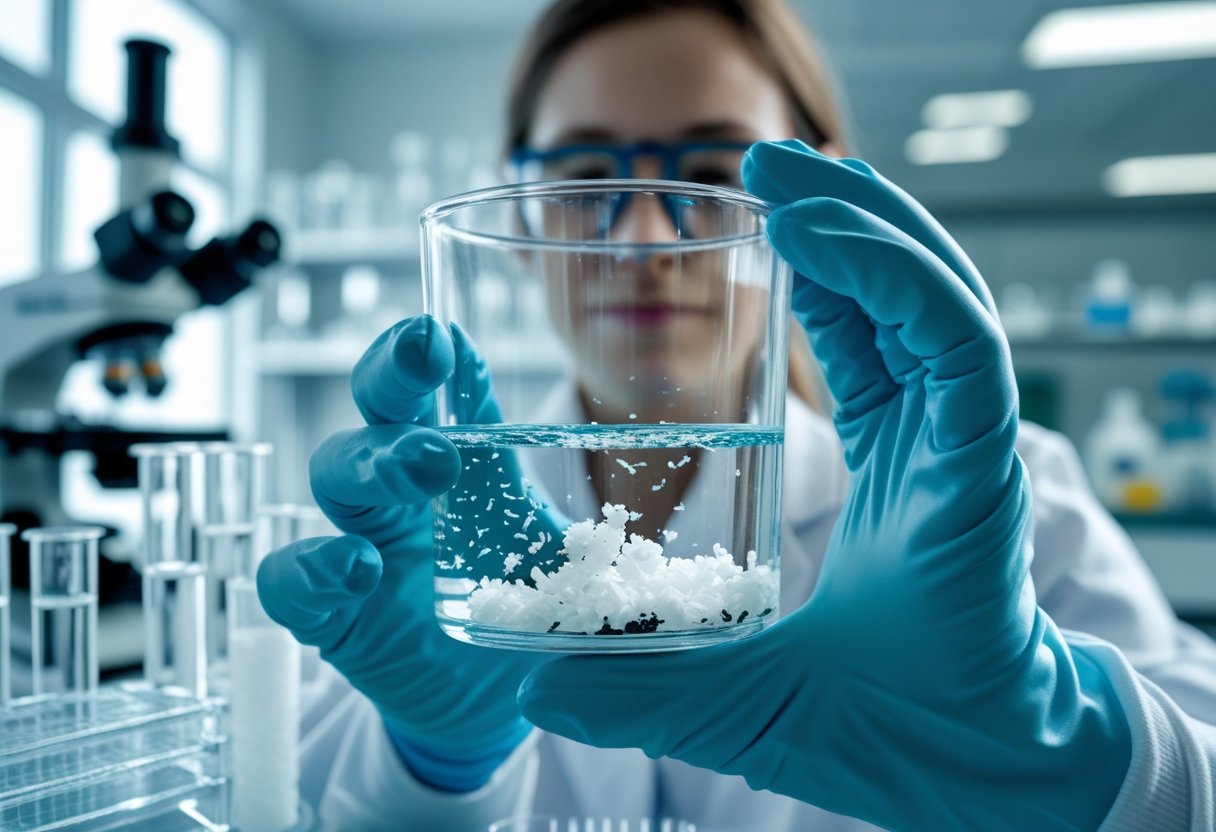
Microplastics are small plastic particles that enter the body through food, water, and air. They can affect digestion, hormone balance, and long-term health, making it important to understand where they come from and how they interact with the body.
What Are Microplastics?
Microplastics are plastic fragments less than 5 millimeters in size. They are often invisible to the naked eye and can be found in both natural and processed environments.
They come from two main sources: primary microplastics, which are manufactured small (such as microbeads in cosmetics), and secondary microplastics, which result from the breakdown of larger plastic items.
These particles resist natural breakdown, meaning they persist in soil, oceans, and even the air. Once inside the body, they may accumulate in tissues or pass through the digestive system.
Because of their size, microplastics can carry other pollutants like heavy metals or chemicals. This makes them more concerning than plastic waste alone. Researchers are still studying how long they remain in the human body and what levels may pose health risks.
Sources of Microplastic Exposure
Most people encounter microplastics daily without realizing it. Drinking water, especially from plastic bottles, is a common source. Tap water can also contain microplastics depending on filtration and local water systems.
Food is another major route. Seafood, salt, rice, and even fruits and vegetables may contain microplastic particles. Packaging, especially single-use plastics, can shed particles into food during storage or heating.
Airborne microplastics come from synthetic textiles like polyester and nylon. When clothes are washed or worn, they release fibers that can be inhaled or ingested.
A few common sources include:
- Bottled and tap water
- Processed and packaged foods
- Synthetic clothing fibers
- Household dust
Understanding these sources helps reduce unnecessary intake, such as by using glass or stainless steel containers and choosing natural fabrics.
Microplastic Exposure Symptoms
Microplastics do not always cause immediate symptoms, but studies suggest possible links to digestive and immune issues. Some people may experience bloating, stomach discomfort, or changes in bowel habits when exposed to high levels.
Because microplastics can trigger inflammation, they may worsen conditions like irritable bowel syndrome. Animal studies suggest they can cross into the bloodstream and reach organs and even the brain and sex organs.
Potential symptoms may include:
- Digestive upset (bloating, constipation, diarrhea)
- Increased fatigue
- Low-grade inflammation
- Allergic-like reactions in sensitive individuals
While research is ongoing, these signs highlight the importance of limiting exposure and supporting the body’s natural detox systems.
Endocrine Disruptors in Food
Some microplastics carry chemicals that act as endocrine disruptors, which interfere with hormone regulation. Common examples include bisphenol A (BPA) and phthalates, often used in food packaging and containers.
These chemicals can leach into food, especially when plastic is heated or reused. Over time, they may affect fertility, metabolism, and thyroid function.
Research links endocrine disruptors to:
- Irregular hormone levels
- Increased risk of obesity and diabetes
- Developmental issues in children
- Thyroid and reproductive health concerns
Choosing fresh, unpackaged foods, using glass or stainless steel storage, and avoiding heating food in plastic can reduce exposure. Limiting processed foods also lowers the risk of consuming hidden endocrine-disrupting chemicals.
How Microplastics Affect the Body

Since microplastics can enter the body through food, water, and air, they may pass through our digestive systems, but some particles can remain in tissues, affecting organs, immune function, and gut health. Their influence depends on size, shape, and chemical makeup.
Absorption and Accumulation
Microplastics are most often ingested through seafood, bottled water, and processed foods. Inhalation of airborne particles also contributes to exposure. While many particles are excreted, smaller ones may cross the intestinal lining and enter the bloodstream.
Once absorbed, they can accumulate in organs such as the liver, kidneys, and lungs. Their persistence depends on particle size and surface properties. Nanoplastics, which are smaller than microplastics, may penetrate even deeper into tissues and remain longer.
Studies suggest that the body has limited ability to break down these particles. Instead, they can bind with proteins or fats, making them harder to remove. This accumulation may not cause immediate symptoms but can increase stress on detox pathways over time.
Health Risks of Microplastics
The presence of microplastics in the body may contribute to oxidative stress, inflammation, and hormonal disruption. These effects occur when particles interfere with normal cellular processes or carry toxic chemicals that leach from plastic.
Potential risks include:
- Endocrine disruption from additives like phthalates and bisphenols
- Immune system stress leading to reduced defense against infections
- Reproductive issues such as lowered fertility in some studies
- Respiratory irritation when inhaled particles reach the lungs
Although research is still developing, early evidence links long-term exposure to higher risks of chronic disease. The body’s detox organs, especially the liver, work to filter these particles, but constant exposure can overwhelm natural defenses.
Impact on Gut Microbiome
The gut microbiome plays a central role in digestion, immunity, and overall health. Microplastics can disrupt this balance by altering bacterial diversity and encouraging the growth of harmful strains.
Animal studies show that exposure reduces beneficial bacteria while increasing inflammation in the intestinal lining. This can weaken nutrient absorption and damage the gut barrier.
Gut microbiome restoration may help counter these effects. Strategies include eating a high-fiber diet, consuming probiotic-rich foods, and limiting processed products that contain plastic residues. Thankfully, supporting gut health not only improves digestion but may also reduce the impact of microplastic exposure on the body.
Best Natural Detox Methods for Microplastics
Reducing microplastic buildup in the body depends on supporting natural detox systems, eating specific foods that aid cellular repair, and making daily lifestyle choices that limit new exposure. Strategies that focus on diet, long-term habits, and environmentally responsible practices provide the most effective results.
Plant-Based Detox Protocol
A plant-based detox protocol emphasizes foods that help the body process and remove toxins, and as we’ll see is especially appropriate for binding micro- and nano-plastics. Cruciferous vegetables like broccoli, kale, and Brussels sprouts contain sulforaphane, which supports liver detox pathways. Fiber-rich foods such as oats, beans, and flaxseeds bind to particles in the gut and promote elimination through digestion.
Antioxidant-rich fruits, including berries and citrus, reduce oxidative stress caused by microplastic exposure. Polyphenols in green tea also provide protective effects. Hydrating with purified water stored in glass or stainless steel further reduces intake of new microplastics.
A simple daily approach includes:
- Breakfast: oatmeal (One Degree Gluten-Free Organic Rolled Oats 80 oz, from Costco, is a safe choice) with flaxseeds and blueberries
- Lunch: lentil salad with kale and lemon
- Dinner: steamed broccoli with brown rice and beans
This type of simple (organic) diet can strengthen the gut, supports detox enzymes, and lowers the body’s toxic load over time.
Sustainable Detox Solutions
Sustainable detox solutions focus on long-term habits that keep the body’s natural cleansing systems working well.
Regular exercise increases circulation and sweating, which helps the body excrete small amounts of toxins. Sauna use may also support toxin removal through sweat.
Adequate sleep is another key factor. During deep sleep, the brain’s glymphatic system clears out waste, including particles that may accumulate in neural tissue. Intermittent fasting can further stimulate autophagy, the body’s natural process of breaking down damaged cells and harmful materials.
Hydration plays a central role. Drinking 2–3 liters of filtered water daily supports kidney and liver function. Using stainless steel or glass bottles avoids adding more microplastics to the system. These sustainable practices are manageable for most people and build lasting resilience against toxin buildup.
Eco-Conscious Detox Strategies
Eco-conscious detox strategies reduce both personal exposure and environmental contamination. Choosing reusable containers, avoiding single-use plastics, and selecting natural fibers (think cotton, wool) instead of synthetic clothing all limit the amount of microplastics entering food, water, and air.
Food preparation also matters. Cooking with stainless steel or cast-iron pans instead of nonstick cookware avoids releasing plastic-based chemicals. Storing food in glass jars instead of plastic containers prevents leaching into meals.
On a broader scale, supporting eco-friendly brands and local food systems reduces plastic packaging and waste. These measures not only lower daily intake of microplastics but also reduce the overall environmental burden that contributes to human exposure. Small, consistent choices make detox strategies more effective and sustainable.
Role of Moringa in Microplastic Detox
Moringa has gained a lot of attention recently for its ability to support detox pathways and reduce the impact of environmental toxins. Its natural compounds, nutrient density, and plant-based coagulant properties make it a practical option for people concerned about microplastic exposure.
Moringa Oleifera Benefits
Moringa oleifera contains antioxidants, vitamins, and minerals that help the body manage oxidative stress caused by pollutants. Studies show that its seeds act as natural coagulants, binding to particles in water, including microplastics, and helping remove them. This property makes moringa unique compared to other detox foods.
Its leaves provide essential nutrients like vitamin C, vitamin A, calcium, and iron. These nutrients support immune health and liver function, both important for processing and eliminating toxins.
Moringa also contains bioactive compounds such as quercetin and chlorogenic acid. These compounds may reduce inflammation and improve circulation, which can indirectly support detoxification.
| Key Benefit | How it Helps with Detox |
|---|---|
| Natural coagulant | Binds to microplastic particles in water |
| Antioxidants | Reduces oxidative stress from toxins |
| Nutrient-dense | Supports liver and immune function |
Organic Moringa Leaf Powder for Detox
Organic moringa leaf powder offers a concentrated source of nutrients in an easy-to-use form. People often add it to smoothies, teas, or capsules, making it simple to include in daily routines.
The powder provides fiber, which helps move waste through the digestive tract. This may help reduce the buildup of harmful particles, including microplastics, in the gut.
Because it is minimally processed, organic moringa leaf powder retains its natural antioxidants and chlorophyll. Chlorophyll may support the body’s natural detox pathways by binding to certain toxins.
When choosing moringa powder, organic certification ensures the product is free of synthetic pesticides or additives. This reduces the risk of adding more contaminants while trying to detox
Sri Lankan Moringa for Gut Health
Sri Lankan moringa is known for its high quality due to the region’s growing conditions. Sri Lanka’s rich volcanic soil and traditional farming methods contribute to higher nutrient levels compared to some mass-produced sources.
Gut health plays a key role in detoxification, and Sri Lankan moringa contains both fiber and polyphenols that support a healthy microbiome. A balanced gut helps process and eliminate toxins more effectively.
Regular use of Sri Lankan moringa may improve digestion and reduce inflammation in the intestines. This creates a stronger barrier against harmful substances, including microplastics, that enter through food and water.
By supporting gut function, Sri Lankan moringa provides a practical way to strengthen the body’s natural defenses while maintaining nutrient intake.
Effective Microplastic Detox Supplements
While moringa is the “low hanging fruit” in one’s detox regiment, there are supplements that support detox focusing on binding, neutralizing, or reducing the effects of toxins. Some provide antioxidants that lower oxidative stress, while others contain compounds that may help the body process and eliminate contaminants more efficiently.
Microplastic Detox Supplement Comparison
These different supplements target detox in unique ways. Chlorella and spirulina are algae often studied for their ability to bind heavy metals and other pollutants. Milk thistle supports liver function, which plays a central role in processing toxins. Green tea extract provides antioxidants that may reduce damage linked to microplastic exposure.
A simple comparison shows how each option works:
| Supplement | Main Role | Key Benefit | Common Form |
|---|---|---|---|
| Chlorella | Binds metals and toxins | Supports gut detox | Tablet, powder |
| Spirulina | Nutrient-rich algae | Antioxidant support | Tablet, powder |
| Milk Thistle | Liver support | Aids toxin processing | Capsule, tea |
| Green Tea Extract | Antioxidant compound | Reduces oxidative stress | Capsule, liquid |
Choosing between them depends on whether the goal is binding toxins, supporting the liver, or boosting antioxidant defenses.
Organic vs Synthetic Detox Supplements
Organic supplements usually come from plants, algae, or herbs grown without synthetic chemicals. They appeal to those who prefer natural sources and minimal additives. Examples include organic chlorella tablets or spirulina powders.
Synthetic supplements are lab-produced and can provide concentrated doses of specific compounds like sulforaphane extracts or engineered antioxidants. These may offer more predictable potency but often lack the broader nutrient profile of whole-food sources.
Both types can be effective. Organic options may provide additional phytonutrients, while synthetic forms may deliver higher consistency and strength. The choice often depends on personal preference, availability, and tolerance to additives or fillers.
Natural Binders for Toxins
Natural binders help capture and remove unwanted substances in the digestive tract. Chlorella and spirulina are two of the most studied algae for this purpose. They contain cell wall structures that can attach to metals and other small particles before elimination.
Other natural binders include cilantro (grown in a pollutant-free environment), which may support mobilization of certain toxins, and fiber-rich foods, which help move waste through the gut more effectively.
These binders do not break down microplastics directly but may reduce the burden by limiting absorption and encouraging regular elimination. Using them alongside hydration and a balanced diet strengthens the body’s natural detox pathways.
Herbs and Superfoods for Microplastic Removal
Certain plants and nutrient-dense foods may support the body’s natural detox systems. Some bind to unwanted particles in the gut, while others strengthen liver function, reduce inflammation, or provide antioxidants that protect cells from stress.
Best Herbs to Remove Microplastics
Some herbs can help trap and carry microplastics out of the digestive tract. Chlorella, a type of freshwater algae, contains natural fibers and compounds that may bind to toxins and aid elimination. Spirulina, another algae, offers a similar effect while also providing protein and minerals.
Seaweed, such as kelp and wakame, contains alginates that can bind heavy metals and may also reduce the absorption of microplastics. These herbs are often taken as powders, capsules, or added to smoothies.
For easier comparison, here are a few options:
| Herb/Algae | Key Benefit | Common Form |
|---|---|---|
| Chlorella | Binds toxins | Powder, tablet |
| Spirulina | Nutrient-dense, binds particles | Powder, capsule |
| Seaweed | Alginates support detox | Dried, flakes |
Including these herbs regularly in meals or supplements may assist the gut in processing microplastics more effectively.
Liver Detox Herbs
The liver plays a central role in filtering harmful compounds, making liver-supporting herbs valuable. Milk thistle contains silymarin, which helps protect liver cells and supports regeneration. Dandelion root stimulates bile production, aiding digestion and waste removal.
Turmeric root provides curcumin, which supports liver enzymes involved in detoxification. These herbs do not directly remove microplastics but may strengthen the body’s ability to process and excrete them.
Practical ways to use these herbs include teas, tinctures, or standardized extracts. For example, dandelion root tea can be consumed daily, while milk thistle is often taken in capsule form. Supporting liver health ensures the body’s detox pathways remain efficient.
Antioxidant-Rich Superfoods
Microplastics can generate oxidative stress, so antioxidant-rich foods are important. Berries like blueberries, blackberries, and strawberries supply polyphenols that protect cells. Cruciferous vegetables such as broccoli and Brussels sprouts support detox enzymes and provide fiber.
Green tea contains catechins that neutralize free radicals and may reduce inflammation caused by plastic exposure. Apples and beans add soluble fiber, which helps trap particles in the gut.
A simple daily approach includes:
- Eating a variety of colorful fruits and vegetables
- Drinking green tea instead of sugary drinks
- Adding beans or lentils to meals for extra fiber
These foods not only provide antioxidants but also improve gut health, which may reduce microplastic absorption.
Anti-Inflammatory Herbs for Digestion
Inflammation in the gut can worsen the effects of microplastic exposure. Herbs with anti-inflammatory properties may help soothe the digestive system. Ginger reduces gut irritation and supports healthy motility. Peppermint relaxes intestinal muscles, which can ease discomfort.
Chamomile provides calming effects on the digestive tract and may reduce mild inflammation. Licorice root has compounds that coat the stomach lining and support gut repair.
These herbs are commonly used as teas, capsules, or extracts. Drinking ginger or peppermint tea after meals is a simple way to incorporate them. By calming inflammation, these herbs may help the digestive system handle microplastics more effectively.
Comparing Moringa and Other Detox Methods
Different natural substances may help the body handle microplastic exposure by supporting digestion, binding toxins, or reducing oxidative stress. Some options focus on plant-based compounds, while others rely on mineral binders to capture harmful particles and chemicals.
Moringa vs Zeolite for Detox
So we are dealing with manmade chemicals. Does something living like moringa, the famed miracle tree, or zeolite, something more like a mineral do a better job detoxing from microplastics?
First, moringa leaves contain antioxidants such as quercetin and chlorogenic acid. These compounds may reduce oxidative stress linked to microplastic exposure. Moringa also provides fiber, which supports digestion and may help move unwanted particles through the gut.
Zeolite, a natural mineral, works differently. Its porous structure can bind heavy metals and some toxins in the digestive tract. This makes it useful for reducing toxic load, though research on its role with microplastics is still limited.
Key differences:
| Feature | Moringa | Zeolite |
|---|---|---|
| Source | Plant (leaf) | Mineral (volcanic rock) |
| Main Action | Antioxidants, fiber support | Binding toxins, metals |
| Evidence | Strong for general health | More studied in heavy metals |
Moringa may be better for daily nutritional support, while zeolite may target binding toxins more directly. Some people use both, but safety and quality of supplements should always be considered.
Detoxing BPA and Phthalates Naturally
BPA and phthalates are chemicals often found in plastics that can leach into food and water. These compounds may act as endocrine disruptors, so reducing exposure is important.
Certain foods and nutrients may help the body process and eliminate them. Cruciferous vegetables like broccoli and Brussels sprouts support liver detox pathways. Antioxidants from fruits, green tea, and moringa leaves may also play a role.
Lifestyle changes matter as well.
Using glass or stainless steel containers, avoiding microwaving plastic, and drinking filtered water can lower intake. Fiber-rich foods help move chemicals out of the digestive system more effectively.
Natural detox methods do not remove all exposure, but they may lower the body’s burden when combined with practical daily habits.
Incorporating Moringa into Your Detox Routine
The thing about moringa is that it’s more than a detox tool. It’s something the body craves for its normal function.
Moringa actually provides antioxidants, vitamins, and minerals that can support the body’s natural cleansing systems. It can be added to drinks or meals in simple ways that fit into daily routines without requiring major changes.
Moringa Smoothie for Detox and Energy
Starting the day with a moringa smoothie offers a practical way to combine nutrients with hydration. Even better, blending moringa powder with fruits and vegetables helps mask its earthy taste while boosting fiber intake, which may aid digestion.
Common ingredients include spinach, banana, apple, and unsweetened almond milk. Adding a teaspoon of moringa powder provides a concentrated source of antioxidants and plant compounds that can give you that boost to meet your next challenge.
For best results, smoothies should be consumed in the morning. This timing supports energy levels and helps the body process nutrients throughout the day.
Sample Recipe:
- 1 banana
- 1 cup spinach
- 1 teaspoon moringa powder
- 1 cup almond milk
- ½ apple
Blend until smooth and drink immediately to preserve nutrients.
Detox Tea with Moringa and Lemon
Your detox doesn’t have to stop with breakfast.
Moringa tea, a great little break during the day, is simple to prepare and can be consumed hot or cold. Steeping dried moringa leaves or powder in hot water releases antioxidants and polyphenols. Adding fresh lemon juice provides vitamin C and a mild detoxifying effect.
This tea may be used as a replacement for sugary drinks or coffee. It contains no caffeine but can help maintain hydration while supporting the body’s natural cleansing systems.
Preparation Steps:
- Heat 1 cup of water until hot but not boiling.
- Add 1 teaspoon moringa powder or 1 tablespoon dried leaves.
- Steep for 5–7 minutes.
- Strain if needed, then add juice from ½ lemon.
Drinking one to two cups daily is a common practice many people treasure for a lifetime.
Moringa Powder Dosage for Detox
Moringa powder is concentrated, so portion size matters. A typical starting amount is ½ teaspoon per day, gradually increasing to 1–2 teaspoons as the body adjusts. Consistency is more important than high doses.
Excessive intake may cause digestive discomfort, so it is best to increase slowly. Moringa can be added to smoothies, teas, or mixed into food like soups and oatmeal.
The table below shows common dosage ranges:
| Dosage Level | Amount | Frequency |
|---|---|---|
| Beginner | ½ tsp | Once daily |
| Moderate | 1 tsp | Once or twice daily |
| Advanced | 2 tsp | Once daily |
Following these ranges helps balance benefits with safety.
Restoring Gut Health After Microplastic Exposure
Microplastics can disrupt gut balance by irritating the digestive lining and influencing the microbes that live there. Restoring healthy bacteria and supporting digestion helps the body handle exposure more effectively and maintain resilience against further stress.
Gut Microbiome Restoration
The gut microbiome plays a central role in breaking down food, producing vitamins, and regulating inflammation. Microplastics may disturb this balance, leading to reduced microbial diversity and higher levels of harmful bacteria.
To restore balance, people often focus on probiotic-rich foods such as yogurt, kefir, kimchi, and sauerkraut. These foods provide live cultures that help replenish beneficial bacteria. Prebiotic foods like garlic, onions, and oats supply the fiber that feeds these microbes, encouraging them to thrive.
Supplements may also help when diet alone is not enough. Strains like Lactobacillus and Bifidobacterium are studied for their ability to support gut integrity and reduce inflammation. While no probiotic has been proven to remove microplastics, they may help strengthen the intestinal barrier, limiting the impact of toxins.
Diversity matters. A varied diet with different plant-based foods introduces a wide range of fibers and nutrients, which supports a more robust microbiome. This diversity improves resilience against environmental stressors, including microplastics.
Supporting Digestive Health
A healthy digestive system can better manage exposure to environmental toxins. Hydration is key since water supports regular bowel movements, which help the body eliminate waste. Choosing filtered water may reduce additional microplastic intake from tap or bottled sources.
Certain binding agents, such as chlorella, activated charcoal, and zeolites, have been studied for their ability to attach to toxins in the gut. While evidence is limited, they may help reduce absorption of harmful particles before they enter circulation.
Anti-inflammatory foods like turmeric, ginger, and leafy greens can calm irritation in the digestive tract. These foods also provide antioxidants, which protect cells from oxidative stress linked to microplastic exposure.
Limiting processed foods and avoiding plastic packaging when possible reduces the strain on digestion. Cooking with stainless steel or glass containers lowers the chance of ingesting new microplastics while supporting long-term gut health.
Lifestyle Strategies to Minimize Microplastic Exposure
Daily habits play a major role in reducing how many microplastics enter the body. Choosing safer foods, limiting plastic use, and storing meals in non-plastic containers can lower exposure and support natural detox processes.
Dietary Choices
Food can be a major source of microplastic intake. Seafood, bottled water, and processed foods often contain higher levels of these particles. People can limit exposure by eating more whole foods, especially fresh fruits, vegetables, beans, and grains.
Drinking filtered tap water instead of bottled water also reduces intake. A reverse osmosis filter or a carbon block filter can remove many contaminants, including microplastics.
Fiber-rich foods like oats, leafy greens, and legumes support digestion. A healthy gut helps move unwanted particles through the body more efficiently. Fermented foods such as yogurt or kimchi may also promote a balanced gut microbiome, which is linked to better detox functions.
Reducing Plastic Use
Everyday products shed microplastics that end up in food, water, or air. Synthetic clothing releases fibers during washing, while single-use plastics break down into smaller fragments. Choosing natural fabrics like cotton, linen, or wool can reduce fiber pollution.
Reusable items such as stainless steel bottles, glass containers, and cloth shopping bags cut down on plastic waste. Avoiding disposable cutlery, straws, and packaging also helps limit exposure.
Household cleaning products can contain microbeads or release plastic particles. Switching to eco-friendly cleaning tools, like cellulose sponges or wooden brushes, avoids adding more plastics into the home environment.
Safe Food Storage Practices
Plastic containers and wraps can leach chemicals and microplastics, especially when heated. Using glass, stainless steel, or ceramic containers keeps food safer. Beeswax wraps or silicone lids are useful alternatives to plastic wrap.
Heating food in plastic, whether in a microwave or oven, increases the risk of plastic migration into meals. Transferring leftovers to non-plastic containers before reheating is a simple way to reduce this risk.
Labeling storage containers for dry goods, grains, and snacks helps keep food organized while avoiding unnecessary plastic packaging. Choosing bulk bins and bringing reusable bags or jars can further reduce plastic contact with food.
🌿 Summing Up: Detoxing with Purpose
Microplastics may be invisible, but their impact on our bodies—and our families—is anything but. From hormonal disruption to gut inflammation, these synthetic invaders are quietly undermining our health. But nature, in its wisdom, has already provided a remedy.
Organic moringa leaf powder, especially when grown in the rich soils of Sri Lanka, offers a powerful, plant-based way to bind and remove these toxins. With its unmatched nutrient density, antioxidant profile, and gentle cleansing properties, moringa doesn’t just detox—it nourishes, restores, and protects.
At Coconut Country Living, we believe detoxing should be more than trendy—it should be intentional, faith-aligned, and rooted in stewardship. Whether you’re sipping moringa tea, blending it into a smoothie, or using it to support your family’s wellness journey, you’re choosing healing over hype.
Let’s detox with purpose. Let’s heal with plants. Let’s steward our bodies the way they were designed to thrive. Let us know how we can help you in your healing journey, and we’ll see you in Coconut Country!
Frequently Asked Questions
People can lower their microplastic exposure by focusing on diet, water quality, and lifestyle choices. While the body has natural detox systems, no single method fully removes microplastics, so prevention and reduction remain important.
What are natural methods to eliminate microplastics from the human body?
The body relies on its natural detox systems, such as the liver, kidneys, and digestive tract, to process and remove waste. A diet high in fiber may help support digestion and elimination. Antioxidant-rich foods like fruits and vegetables may also reduce stress caused by microplastic-related chemicals.
How can one prevent microplastic ingestion through food?
Choosing fresh, unpackaged foods reduces plastic contact. Cooking at home instead of relying on processed or packaged meals lowers risk. Avoiding plastic containers for heating or storing food also helps limit microplastic transfer.
Is it possible to completely purge microplastics from the body?
Current research shows no proven way to fully remove microplastics once inside the body. The focus remains on minimizing exposure and supporting natural detox processes. Scientists are still studying how long microplastics stay in tissues.
What are effective strategies to reduce microplastic contamination in drinking water?
Using a high-quality water filter, such as one with reverse osmosis or activated carbon, can lower microplastic levels. Stainless steel or glass bottles are safer choices than plastic bottles, which often contain microplastic particles.
Can microplastics be filtered out of the body’s bloodstream?
There is no known medical treatment that filters microplastics directly from the bloodstream. The body does not have a clear mechanism to actively remove them once they enter circulation. Research in this area is still ongoing.
Are there techniques to prevent microplastic accumulation in the brain?
No established method exists to stop microplastics from reaching the brain. Limiting overall exposure through clean water, reduced plastic use, and a balanced diet may lower risk. Scientists continue to study how microplastics cross into sensitive tissues.